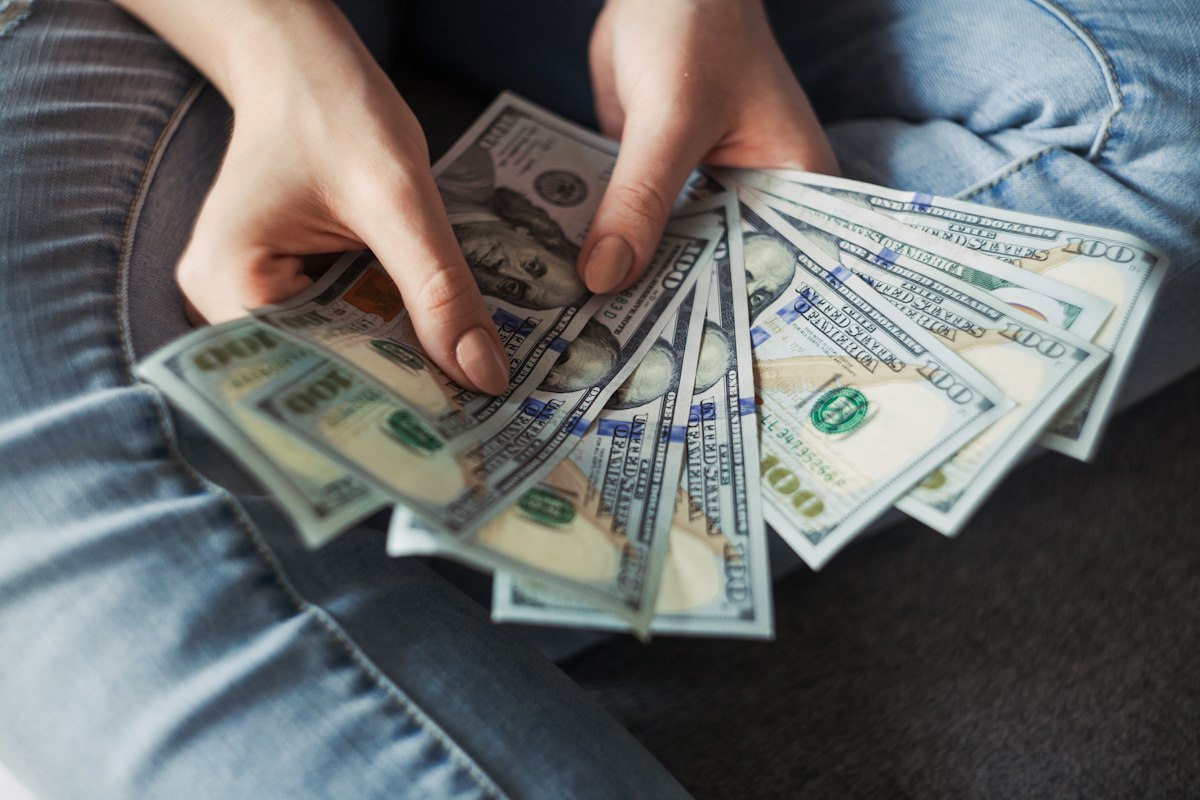
A single brand deal can earn you more than months of AdSense revenue. Yet most creators either wait passively for brands to find them or undersell themselves dramatically when opportunities arise.
Landing and negotiating sponsorships is a skill—and like any skill, it can be learned. This guide will teach you how to position yourself to brands, reach out effectively, negotiate fair rates, and build partnerships that pay well for years.
Understanding the Brand Deal Landscape
Before you start pitching, understand how the sponsorship ecosystem works.
Types of Brand Deals
Integrated sponsorships: The sponsor is woven into your content (most common)
- 30-90 second brand segment within your video
- Dedicated portion discussing the product/service
- Natural integration into your content style
Dedicated videos: Entire video focused on the brand
- Reviews, tutorials, or experiences with the product
- Higher pay, but requires genuine value add
- Audience expects entertainment/education, not ads
Affiliate hybrid: Lower upfront payment plus commission on sales
- Lower risk for brands, potentially higher upside for you
- Requires good tracking and reporting
- Works best with products that convert well
Long-term ambassadorships: Ongoing relationship with a brand
- Multiple videos/posts over time
- Often includes exclusivity clauses
- Best rates, but locks out competitors
What Brands Actually Want
Understanding brand objectives helps you pitch effectively:
- Brand awareness: Reaching new potential customers
- Trust transfer: Your endorsement carries weight
- Direct sales: Trackable conversions through your links
- Content assets: They often repurpose creator content
- Community access: Your audience is their target market
Brands don't pay for views—they pay for access to engaged audiences who trust you. Your value is the relationship you've built with your viewers.
Building a Media Kit That Converts
Your media kit is your professional resume for brand deals. A strong media kit separates serious creators from hobbyists.
Essential Media Kit Elements
Page 1: The Hook
- Your name/channel name
- One-line description of what you do
- Professional photo or logo
- Key metrics at a glance
Page 2: About You
- Your story in 2-3 paragraphs
- What makes your content unique
- Your content pillars/categories
- Notable achievements or features
Page 3: Audience Demographics
- Subscriber/follower count (all platforms)
- Average views per video
- Audience age breakdown
- Gender split
- Geographic distribution
- Interests and behaviors
Page 4: Engagement Metrics
- Engagement rate (likes + comments / views)
- Average watch time
- Click-through rates on previous sponsorships
- Email list size (if applicable)
Page 5: Past Brand Work
- Logos of brands you've worked with
- Brief case studies with results
- Testimonials from brand partners
- Links to sponsored content examples
Page 6: Partnership Options
- Types of collaborations you offer
- Pricing ranges (optional but recommended)
- Package options
- Contact information
Design Tips
- Keep it visual—brands skim, they don't read
- Use consistent branding with your channel
- Include high-quality images
- Make numbers prominent and easy to find
- Keep it to 4-6 pages maximum
- Save as PDF for easy sharing
Free tools like Canva have media kit templates specifically for creators.
Reaching Out to Brands
Don't wait for brands to discover you. Proactive outreach dramatically increases your deal flow.
Finding Brands to Pitch
Start with what you use:
- Products you already mention in videos
- Services you genuinely recommend
- Companies whose values align with yours
Research competitor sponsorships:
- What brands sponsor similar creators?
- Which companies are actively doing influencer marketing?
- Who sponsors podcasts/content in your niche?
Use influencer platforms:
- AspireIQ, Grin, CreatorIQ (if brands reach out)
- Brand deal databases and newsletters
- LinkedIn for finding marketing managers
Crafting Your Outreach Email
Cold outreach requires a specific formula. Here's a template that works:
Subject line: Partnership Opportunity: [Your Channel Name] x [Brand Name]
Email body:
Hi [Name],
I'm [Your Name], creator of [Channel Name] where I make [content type] for [audience description]. My [X subscribers/followers] are [demographic that matches their customer].
I've been using [their product] for [time period] and genuinely love it because [specific reason]. I think there's a natural fit for a partnership that would resonate with my audience.
A few recent videos for reference:
[Link 1]
[Link 2]I'd love to explore ways we could work together. I've attached my media kit with full demographics and past brand work.
Would you be open to a quick call this week?
[Your name]
[Your contact info]
[Social links]
Outreach Best Practices
- Personalize every email: Generic pitches get ignored
- Lead with value: What can you do for them, not what you want
- Keep it short: Under 200 words for initial outreach
- Follow up: Send a polite follow-up after 5-7 days
- Track your outreach: Use a spreadsheet to manage pipeline
Negotiation Tactics
Negotiation is where most creators leave money on the table. Understanding your value—and communicating it—changes everything.
Calculating Your Rates
Several methods exist for pricing sponsorships:
CPM-based pricing:
- CPM = Cost Per Thousand views
- Standard rates: $20-$50 CPM for sponsored segments
- Formula: (Average views / 1,000) x CPM rate
- Example: 50,000 views x $30 CPM = $1,500
Subscriber-based pricing:
- Common formula: $10-$50 per 1,000 subscribers
- More relevant for smaller channels with engaged audiences
- Adjust based on engagement rates
Value-based pricing:
- What is the potential return for the brand?
- High-ticket B2B products warrant higher rates
- Consider your audience's purchasing power
General Rate Ranges (2025)
YouTube sponsorships:
- 10K-50K subs: $500-$2,000 per integration
- 50K-100K subs: $2,000-$5,000 per integration
- 100K-500K subs: $5,000-$15,000 per integration
- 500K-1M subs: $15,000-$40,000 per integration
- 1M+ subs: $40,000-$100,000+ per integration
Rates vary significantly by niche. Finance and B2B command premiums; entertainment and gaming typically lower.
Negotiation Tactics That Work
Always ask for more:
- First offer is rarely the best offer
- Counter 20-30% higher than their initial offer
- Worst case: they say no and you're back to their offer
Add value, not discounts:
- Instead of lowering price, offer additional deliverables
- "I can add an Instagram story for that rate"
- Maintains your rate integrity for future deals
Package deals:
- Offer discounts for multiple videos
- Lock in long-term partnerships at fair rates
- Easier for brands to budget annually
Usage rights matter:
- Will they repurpose your content in ads?
- Charge extra for usage rights (typically 50-100% premium)
- Specify duration and platforms in contract
Never negotiate against yourself. State your rate, then wait. Silence is uncomfortable but powerful. Let them respond before you start lowering prices.
Creating Your Rate Card
A rate card standardizes your pricing and makes negotiation easier.
Sample Rate Card Structure
YouTube Integration (30-60 seconds): $X,XXX
- Includes: Script approval, 1 revision, link in description
- Deliverables: Sponsored segment in YouTube video
- Timeline: 2 weeks from brief to publish
YouTube Dedicated Video: $X,XXX
- Includes: Full video featuring brand/product
- Deliverables: 8-15 minute video
- Timeline: 3 weeks from brief to publish
Social Media Package: $X,XXX
- Includes: YouTube integration + Instagram stories + Twitter post
- Deliverables: Cross-platform promotion
- Timeline: Coordinated campaign
Usage Rights Add-on: +50-100%
- Allows brand to repurpose content in paid ads
- Specify duration (3, 6, or 12 months)
- Specify platforms
Rate Card Tips
- Keep rates slightly higher than your minimum
- Leaves room for negotiation
- Update quarterly based on growth
- Consider different rates for different industries
Building Long-Term Partnerships
One-off deals are fine. Long-term partnerships are better. They provide predictable income and deeper relationships.
How to Earn Long-Term Deals
Deliver results:
- Exceed expectations on first collaboration
- Provide detailed performance reports
- Share engagement metrics proactively
Be professional:
- Meet deadlines consistently
- Communicate proactively about any issues
- Make their job easy
Propose continuation:
- After a successful campaign, suggest next steps
- "I'd love to continue this partnership—here are some ideas"
- Offer package discounts for commitment
Ambassador Program Considerations
When evaluating ambassador offers:
- Exclusivity clauses: Can you work with competitors?
- Minimum commitments: How many posts/videos required?
- Term length: 6 months? 1 year? Renewal terms?
- Exit clauses: What if the relationship isn't working?
- Payment terms: Monthly? Per deliverable? Milestone-based?
Contract Essentials
Never do a brand deal without a contract. Key terms to include:
- Scope of work: Exactly what you'll deliver
- Timeline: Deadlines for drafts, revisions, publication
- Compensation: Amount, payment terms, payment method
- Usage rights: Can they repurpose your content? Where? For how long?
- Exclusivity: Any restrictions on competitor partnerships?
- Approval process: How many revision rounds included?
- FTC compliance: Disclosure requirements
- Cancellation terms: Kill fees if they cancel after work begins
When in doubt, have a lawyer review contracts—especially for deals over $5,000 or with complex terms.
Common Brand Deal Mistakes
- Underpricing: Not knowing your value or market rates
- Over-delivering: Doing extra work without compensation
- No contract: Verbal agreements lead to disputes
- Misaligned partnerships: Taking deals that don't fit your audience
- Missing deadlines: Fastest way to kill future opportunities
- Poor disclosure: FTC violations have real consequences
- Burning bridges: Even bad experiences can lead to referrals
Your reputation is your most valuable asset. Turn down deals that don't align with your values, even if the money is good. Your audience's trust is worth more than any single sponsorship.
Getting Started: Your Action Plan
This Week
- Create your media kit (use Canva templates)
- Document your audience demographics from analytics
- Make a list of 10 brands you already use and love
- Set your rate card based on market research
Next Week
- Research those 10 brands—find marketing contacts on LinkedIn
- Draft personalized outreach emails for each
- Send your first round of pitches
- Set up a tracking spreadsheet for responses
Ongoing
- Send 3-5 new pitches weekly
- Follow up on non-responses after 5-7 days
- Iterate on your pitch based on responses
- Update media kit monthly with new metrics
Start Landing Deals
Brand deals aren't reserved for million-subscriber creators. Brands of all sizes are looking for authentic partnerships with engaged audiences—including yours.
The creators who land the best deals aren't always the biggest; they're the ones who present themselves professionally, reach out proactively, and negotiate confidently.
Start with your media kit. Make your list of dream brands. Send your first pitch today. The worst that happens? You don't hear back. The best? You've opened a revenue stream that can transform your creator business.
Your audience has value. It's time to get paid what you're worth.
AI Video Empire Intelligence
Building cancel-proof content empires through diversified monetization strategies.
AI Video Empire helps businesses build cancel-proof content empires with AI-powered video production, YouTube monetization, and multi-platform distribution.