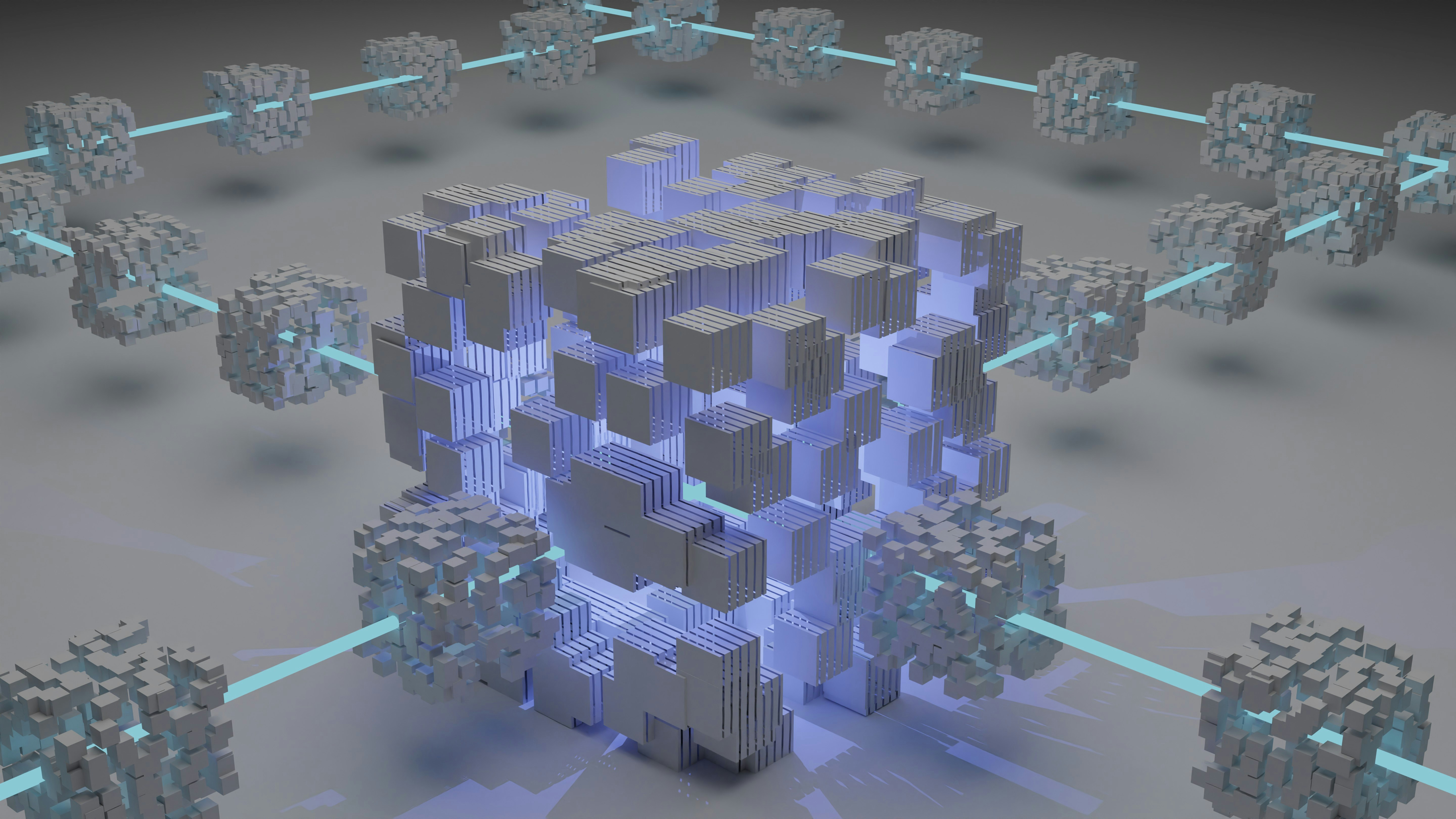
We have talked about owned domains, email lists, and payment diversification. But there is a frontier beyond all of these—technology designed from the ground up to be resistant to censorship, deplatforming, and centralized control.
Welcome to the decentralized creator economy. This is not science fiction. These tools exist today, and forward-thinking creators are already building on them.
Blockchain-Based Content Platforms
The first generation of decentralized platforms is already live and growing.
What Makes Blockchain Different
Traditional platforms operate like this:
- Company owns servers
- Company sets rules
- Company can remove content or accounts
- Users have no recourse
Blockchain platforms operate differently:
- Network of independent nodes stores content
- Rules encoded in unchangeable smart contracts
- No single entity can remove content
- Cryptographic ownership proves authenticity
On a properly designed blockchain platform, your content cannot be deleted unless you delete it yourself. No Terms of Service change can remove your work. No algorithm can shadowban you.
Current Blockchain Content Platforms
Mirror.xyz
- Medium alternative built on Ethereum
- Posts stored permanently on Arweave
- Built-in NFT functionality
- Collect writing as NFTs for monetization
- Best for: Written content, essays, newsletters
Lens Protocol
- Decentralized social graph
- Own your followers as NFT data
- Portable between apps
- Multiple interfaces: Lenster, Phaver, Orb
- Best for: Social media, short-form content
Farcaster
- Decentralized Twitter alternative
- Crypto-native community
- Growing rapidly in tech circles
- Best for: Tech-savvy audience, networking
Current Challenges
Honest assessment of limitations:
- Smaller audiences: Millions vs billions on Web2
- Technical barrier: Wallet setup required
- Gas fees: Transactions cost money (though decreasing)
- Volatility: Crypto prices affect ecosystem
- UX: Still clunkier than Web2 alternatives
These are early-adopter challenges, not permanent limitations. Every technology starts this way.
IPFS: Uncensorable Storage
The InterPlanetary File System sounds like science fiction, but it is real infrastructure you can use today.
How IPFS Works
Traditional web storage:
- File stored on one server
- Server goes down = file unavailable
- Server owner deletes file = file gone
- Location-based addressing (URL points to server)
IPFS storage:
- File stored across distributed network
- Multiple copies on multiple nodes
- No single point of failure or deletion
- Content-based addressing (hash of file, not location)
When you upload to IPFS, you get a Content Identifier (CID)—a cryptographic hash of your file. Anyone with that CID can retrieve your file from any IPFS node that has it. No server can be shut down to make your content disappear.
IPFS for Creators
Use cases:
- Backup copies of all your content
- Hosting files that cannot be removed
- Video hosting alternative
- Website hosting via IPFS gateways
How to get started:
- Pinata: Easy IPFS pinning service, free tier available
- NFT.storage: Free IPFS storage for NFT assets
- Web3.storage: Free decentralized storage
- Run your own node: Maximum control, technical setup
IPFS + DNS = Unstoppable Sites
Combine IPFS with decentralized DNS for maximum resilience:
- Host your site on IPFS
- Point an ENS domain (yourname.eth) to it
- Site cannot be taken down by any single entity
- Access via IPFS gateways or ENS-aware browsers
NFT Memberships and Communities
NFTs are not just JPEGs. They are programmable access tokens that can revolutionize creator monetization.
The NFT Membership Model
Traditional membership:
- Platform controls access
- Platform takes 5-30% cut
- Members cannot resell access
- Platform can shut down or change terms
NFT membership:
- NFT grants access to content/community
- Creator receives royalties on resales
- Members can sell membership if they leave
- Access controlled by code, not platform
Implementing NFT Memberships
Unlock Protocol
- Create membership NFTs easily
- Set price, duration, benefits
- Integrate with existing site
- Members get transferable access key
Guild.xyz
- Token-gated communities
- Discord role management via NFT
- Multiple token requirements possible
- Free to use
Coinvise
- Launch creator tokens
- Reward community participation
- Build token-gated experiences
Imagine: Your most loyal fans hold membership NFTs. When they sell to someone new, you get a royalty. Your community is liquid, transferable, and you earn on every transfer. This is impossible with traditional subscriptions.
Practical NFT Use Cases for Creators
- Lifetime access passes: One-time purchase, forever access
- Tiered memberships: Different NFTs for different access levels
- Event tickets: Provable attendance, tradeable
- Collectible content: Limited edition posts/videos
- Community voting: NFT holders decide content direction
Decentralized Video Platforms
YouTube alternative built on decentralized infrastructure.
Odysee (LBRY)
What it is: Video platform built on LBRY blockchain
Key features:
- Videos stored on decentralized network
- Cannot be removed by platform (only by uploader)
- Built-in cryptocurrency tipping (LBC)
- YouTube sync feature imports your channel
- Growing audience, especially in certain niches
Best for: Backup of YouTube content, reaching crypto audience, content that might face YouTube restrictions
DTube
What it is: Decentralized video using IPFS and blockchain
Key features:
- Videos on IPFS—truly distributed
- Rewards in cryptocurrency
- No ads model
- Smaller but dedicated community
Best for: Censorship-resistant video, crypto content
Theta Network
What it is: Decentralized video delivery network
Key features:
- Peer-to-peer video streaming
- Earn tokens for sharing bandwidth
- Lower delivery costs for creators
- Growing enterprise adoption
Best for: Live streaming, high-bandwidth content
Decentralized Video Strategy
You do not need to choose. Multi-platform approach:
- Primary upload to YouTube (reach)
- Sync to Odysee (backup + additional audience)
- Store on IPFS via Pinata (permanent archive)
- Announce all via email (owned distribution)
The Future of Creator Independence
These technologies are converging into something powerful.
The Creator Stack of the Future
Identity layer:
- ENS domain (yourname.eth)
- Decentralized identity (DID)
- Portable reputation across platforms
Content layer:
- IPFS for uncensorable storage
- Arweave for permanent storage
- Blockchain for timestamping/proof
Community layer:
- NFT memberships
- Token-gated access
- DAO governance
Monetization layer:
- Crypto payments
- Smart contract royalties
- DeFi integrations
Distribution layer:
- Decentralized social (Lens, Farcaster)
- Email (still works, still owned)
- Traditional platforms (for reach)
Timeline for Adoption
Now (2024-2025):
- Early adopters experimenting
- Technical barriers still high
- Small but passionate communities
- Best time to learn and build presence
Near term (2025-2027):
- UX improvements make tools accessible
- Mainstream creators start experimenting
- Integration with traditional platforms
- First mass-market success stories
Medium term (2027-2030):
- Decentralized options become normal
- Traditional platforms adopt some features
- Creator ownership becomes expected
- Early adopters have significant advantage
You do not need to go all-in on Web3 today. But you should understand it, experiment with it, and be ready to adopt when the time is right. The creators who thrive will be those who see these tools as opportunity, not threat.
Getting Started Today
Practical steps to begin your decentralized journey:
Beginner Level
- Get a wallet: MetaMask or Coinbase Wallet (free)
- Get an ENS domain: yourname.eth on ens.domains
- Sync YouTube to Odysee: Takes 10 minutes
- Upload one file to IPFS: Via Pinata or NFT.storage
- Join Farcaster or Lens: Explore the communities
Intermediate Level
- Publish an article on Mirror.xyz
- Create a free collectible for your audience
- Set up token-gated Discord channel with Guild
- Host a static site on IPFS
- Accept crypto payments on your site
Advanced Level
- Launch NFT membership program
- Build on Lens Protocol
- Create DAO for your community
- Run your own IPFS node
- Develop custom smart contracts for your use case
Risks and Realities
Balanced perspective on decentralized technology:
Legitimate Concerns
- Regulatory uncertainty: Laws are still evolving
- Technical complexity: Steeper learning curve
- Irreversibility: Mistakes can be costly
- Scams: Bad actors in the space
- Volatility: Crypto markets are unstable
How to Mitigate
- Start small, learn incrementally
- Never invest more than you can lose
- Verify everything, trust carefully
- Keep traditional backup systems
- Stay educated on regulatory changes
Conclusion: Building for the Long Term
The decentralized creator economy is not about abandoning traditional platforms tomorrow. It is about building infrastructure that will serve you for decades.
The creators who built email lists in 2010 were ready when organic reach collapsed. The creators experimenting with Web3 today will be ready for the next platform shift—whenever it comes.
You do not need to become a crypto maximalist. You do need to:
- Understand what decentralized technology offers
- Experiment with the tools at low stakes
- Build optionality into your creator business
- Stay curious about what comes next
The future of the creator economy is more open, more owned, and more resilient. Start building your place in it today.
AI Video Empire Intelligence
Building cancel-proof content empires through strategic infrastructure and audience ownership
AI Video Empire helps businesses build cancel-proof content empires with AI-powered video production, YouTube monetization, and multi-platform distribution.